- 8 Posts
- 298 Comments
You can do it but using a junk second computer with no hard drive, a slow CPU and little memory.
This is the thin-client concept and it has been in use going all the way back to mainframes. It lost popularity when personal computers- PCs- got cheap.
Works like this:
The thin client BIOS is set to boot over the network. It locates your desktop, downloads a small OS and displays a login, to your remote desktop.
From there, it’s passing through the keyboard and mouse input to remote server and displaying the output. The real CPU work is all handled by the server.
The whole Edubuntu distro was built around this design. You could have one decent computer in a school computer lap and 20 crappy thin clients and everything would feel pretty snappy and work pretty well. Cheap and low maintenance to admin with only one hard drive / distro to maintain!

 22·3 months ago
How soon until Amazon buys one of each, prints them; ships them to a different warehouse, rips the pages out and scans them back in?
 9·3 months ago
I host my personal site at home with a 15-min battery backup. After that, I accept the downtime. Rarely happens and I haven’t had a single complaint when it does.
 1·3 months ago
The spec looks reasonable. I could see it replacing XWayland as a more modern and secure alternative for X11 apps not yet ported to Wayland.
 32·3 months ago
Personal experience.
The first AI story I read: sure.
After a few more? I felt a certain sameness to them.
 121·3 months ago
Best to stop eating all chicken to be sure.
bashmount
The Code Rabbit link is about software in general, not the Linux kernel in particular. In many ways the Linux kernel is an outlier among software projects. When it comes to LLMs, I don’t expect devs will be using lower standards for code reviews in quality, while some other teams definitely are doing light “LGTM” reviews of AI code.
The second link expresses a lot of concerns about plagiarism by AI. Certainly related care needs to taken for contributions to the Linux kernel. As far as I could tell, no specific cases of plagiarized code in the kernel were cited.
Store the secrets on a Yubikey. They are unstealable then.
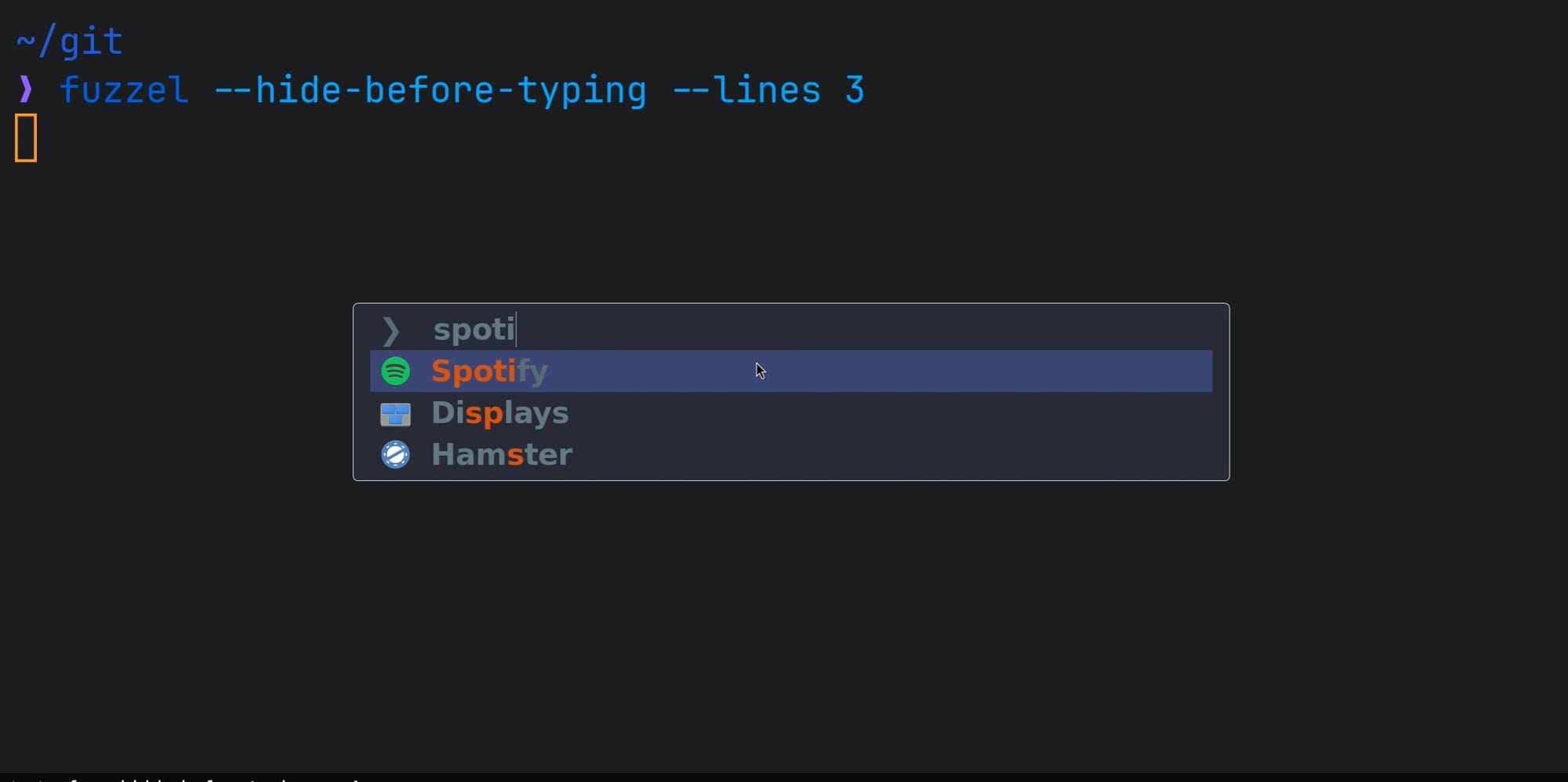
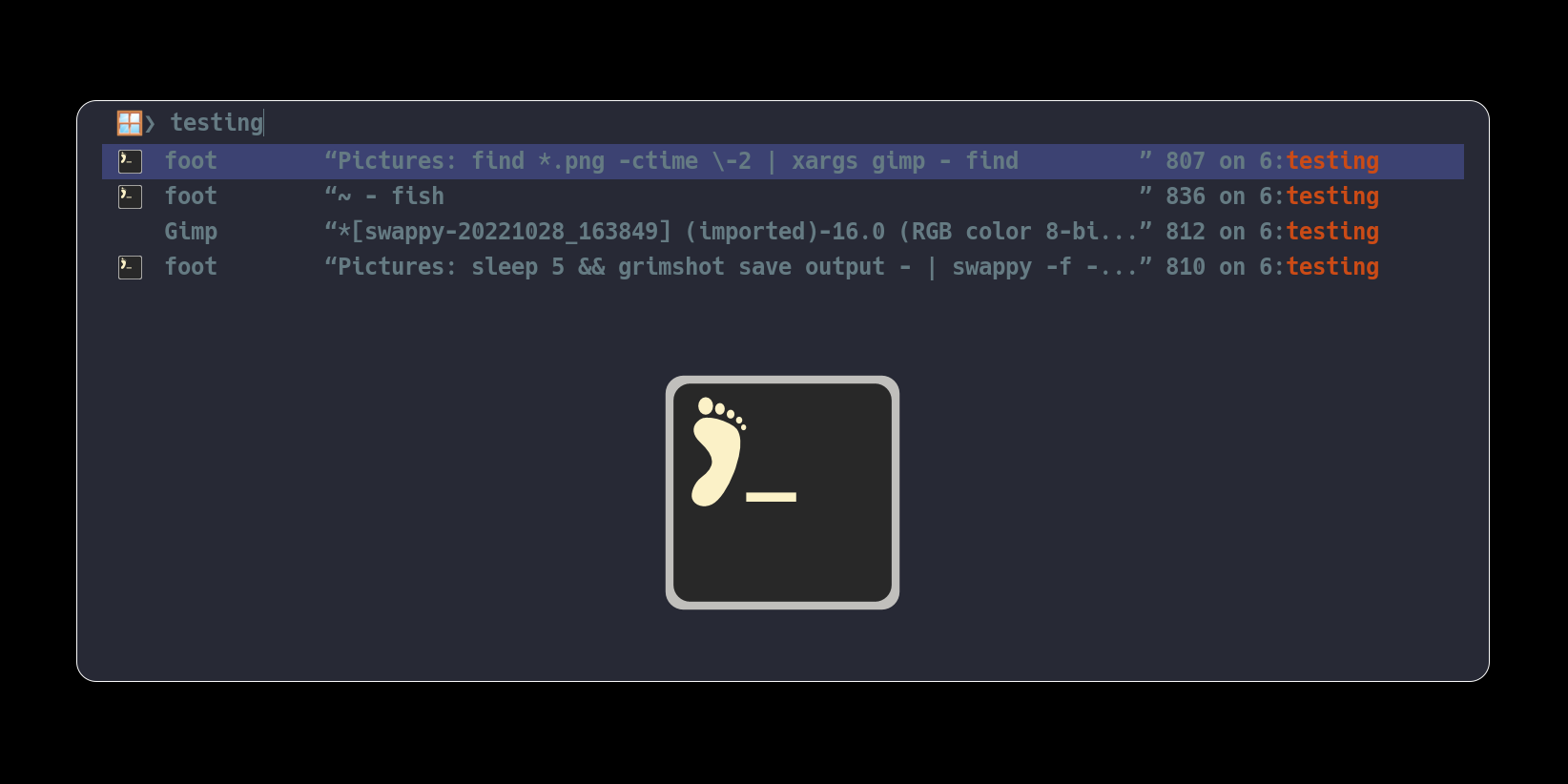
Yubico has their own GUI app or you can wrappers for their CLI tool to use something like dmenu, rofi or Fuzzel to pick one.
If you run for office to be different from all the rest and win, do you immediately become corrupted upon election?
The marketing mixes metaphors, talking about gardening, growing, curating… all part of sustainable process that includes plants dying.
It also uses words like forever and permanent.
Having content live forever is at odds with metaphors of the natural world, where things naturally die.
How does it handle helm features that are not valid compose features? Silent failure or loud warning?
Upfront they describe two monocultures and then a thriving diverse ecosystem and then conclude that the thriving diverse ecosystem is the unsustainable option.
Yeah, Linux as a software ecosystem is complex and messy like a forest or the animal kingdom. It’s a feature.
 2·1 year ago
Heroin is made from opium poppy seeds, so, yeah, a residual small dose of heroin in your blood looks like the same opium from a serving of poppy seed muffins.
I also had a roommate fail to get a job over a poppyseed muffin.
Gimp already runs OK on ChromeOS, so I would expect the same on Android soon.
Because Linux runs in VM on ChromeOS, there were some annoyances and there will likely be some on Android.
Maybe they fixed it, but for a long time Linux on ChromeOS couldn’t access Yubikeys because Google choose not to expose those devices to the container.
And some keyboard shortcuts and mappings couldn’t work because again Google limited what the container was allowed to see and control.
And if certain kinds of problems happened, you ended losing both the apps and your data inside the Linux container.
Yeah, it will be cool to run desktop Linux from your phone. But if doing Real Linux Work on Chromebook doesn’t appeal to you, don’t expect it to be better on Android.
YADM is essentially git so about the only thing you need to remember is to use
yadminstead of git when managing your dotfiles.



So how many of the 900 are they vulnerable to?