

GadgeteerZA
I blog about #technology #gadgets #opensource #FOSS #greentech #traditionalwetshaving #LCHF #health #alternativeto #hamradio (ZS1OSS) #southafrica - see https://gadgeteer.co.za/blog. I also blog to various other social networks which I list at https://gadgeteer.co.za/social-networks-i-post-to.
- 6 Posts
- 11 Comments


 2·3 years ago
The post here is a link to an online survey being done by the Signal Community. Users need to follow the link to answer the survey if they wish (but it means creating yet another new account which I’m getting pretty tired of as I’m now passing over 900 different logins all with unique passwords etc ;-)
Yes Linux Mint. You CAN migrate later to other distros without losing your data so feel free to test others out later when you feel ready and know more about them.
 41·3 years ago
That was the instance I signed up at, about 10 mins before I posted this link. Lemmy also went down in the last day, so nothing is bulletproof. But the site is working as I’m browsing and commenting right now.
There Matrix discussion forum may be best place to ask - https://matrix.to/#/#mbin:melroy.org
No, the pull requests are to do with submissions of source code to the core project. The project owner has to review and accept those changes for them to happen (or not).
kbin had not been accepting some commits and apparently were moving quite slowly with newer features. So, this is more like a dev version type implementation. It is more “open” to changes and commits apparently. Not more “open” as in open-source.
Saw somewhere it was said the kbin side was going too slowly and not accepting some commits that their community gave. Some wanted to move quicker with newer features and enhancements.
Thanks, yes that is actually a slightly more comprehensive backup, looking at their GitHub project at https://github.com/vikdevelop/SaveDesktop, and they have a Flatpak installation as well.
Linux and FLOSS unfortunately don’t have budgets, and rely on logic and common sense. Microsoft has a big lobbying budget, gets in to see senior politicians and decision-makers, and then sponsors training, digital villages, etc. Yes, it costs a country overall much more than Linux, but it is easier for schools/gov depts and middle-men make some actual money in their pockets. That’s what Linux and FLOSS end up against. What would turn it around is having strong local businesses driving training and making tender bids to install and support Linux and FLOSS. A government or school wants to have it done for them. That’s the reality, unfortunately.
They know little about open source. Microsoft is exclusively in schools and government, and that is what they grow up with. They probably know more about pirating Windows, than using Linux legally. There is also a good kick-back in terms of MS license mark-ups for middle-men businesses. One would hope there is some mandatory education around different OSs as I’m sure kids would love to explore and modify software.


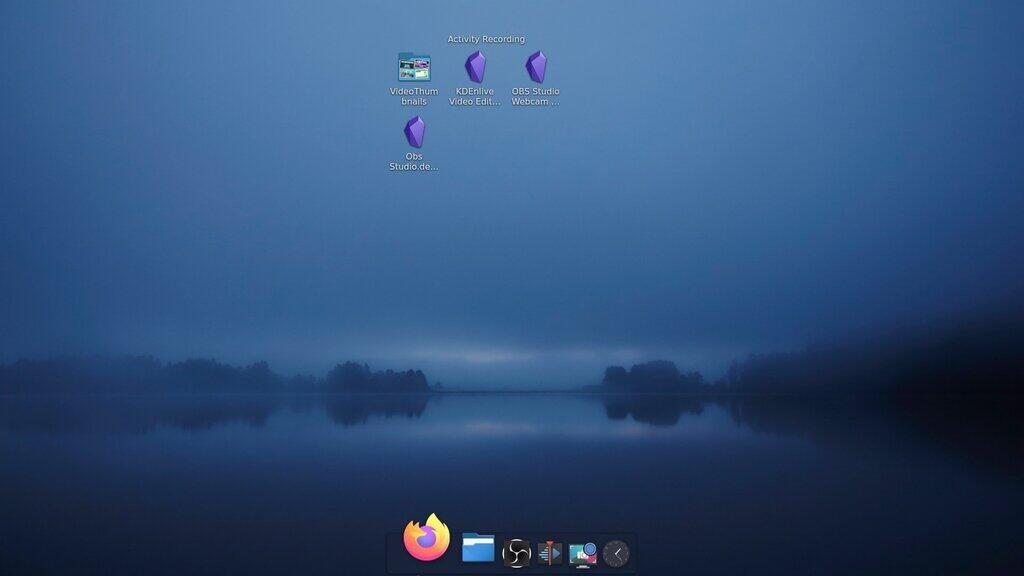
KDE Plasma on Manjaro Linux